 US
US UK
UK CH
CH NL
NL DK
DK German
 AT
AT NO
NO SE
SE

Tips for the perfect home office
Setting up your home office requires a balanced mix of functionality and a comfortable atmosphere. The space must meet your professional needs while also having a personal touch, as it is a part of your home.
Here are three practical tips on how to design your ideal home office:
- Choose the right space: Look for a quiet area in your home with natural light. A separate room would be ideal, but a quiet corner in the living room or bedroom can also serve as a workspace. Make sure there is enough room for a desk, computer, and your work materials.
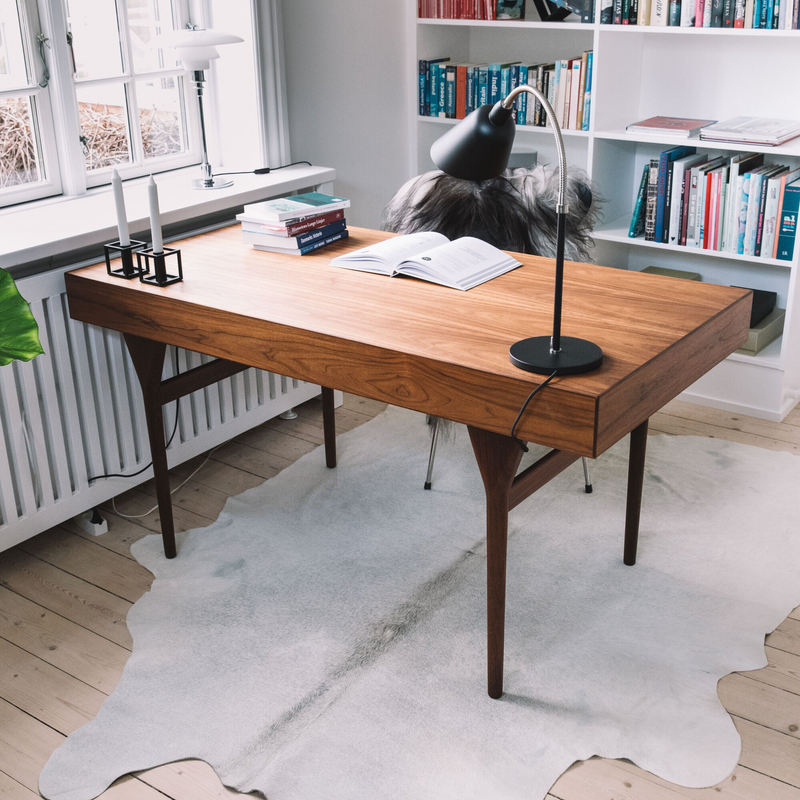
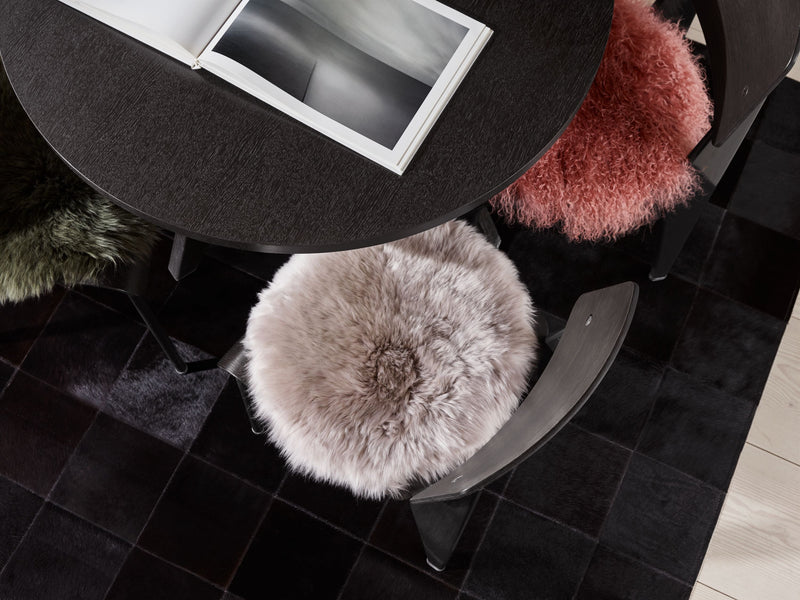
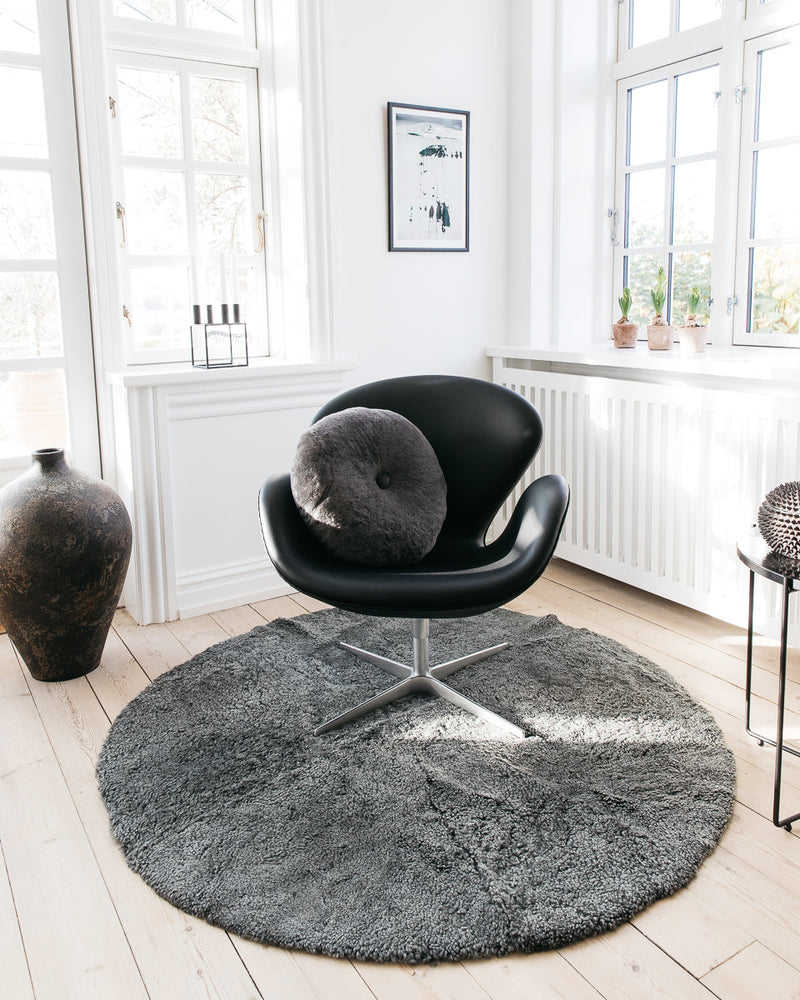
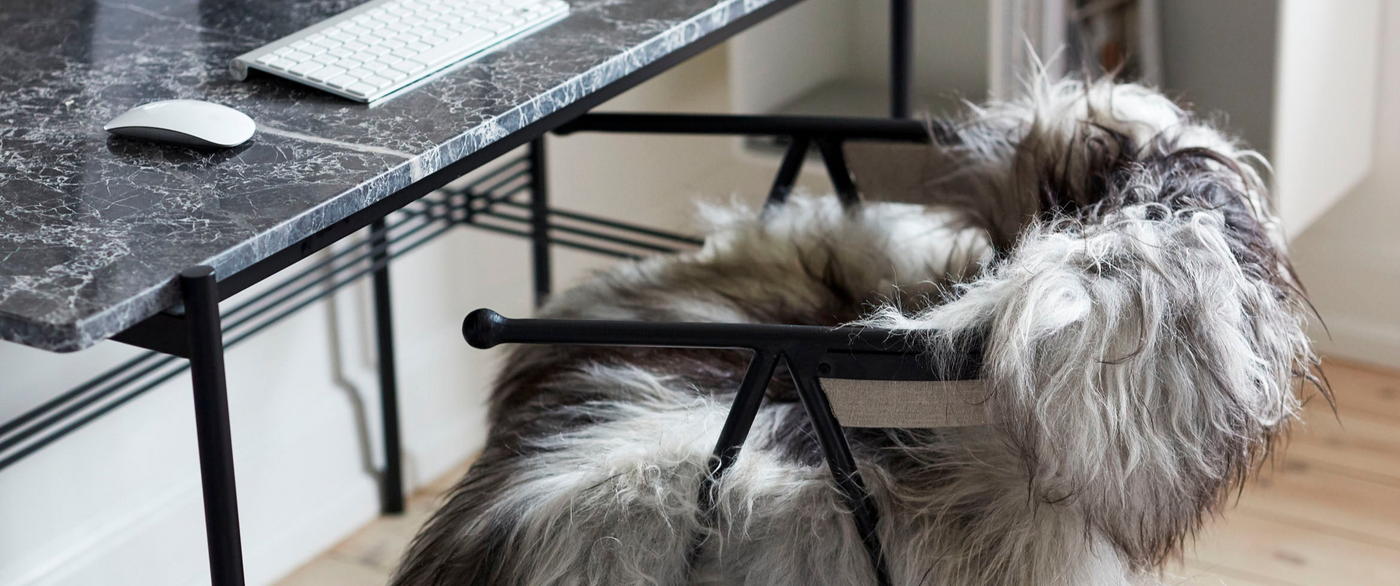
- Focus on ergonomics: Especially when working from home for long periods, it is important to rely on ergonomic furniture. Invest in a chair that supports your back well and promotes good posture. A soft sheepskin on the chair not only offers extra comfort but also brings that typical, cozy Swiss charm to your home office.
- Create a productive atmosphere: For maximum productivity, your home office should offer a calm, organized, and inspiring environment. Keep the room free from distractions and ensure there is plenty of natural light. Organize your workspace with practical storage solutions like baskets, small boxes, and drawers. Personal touches such as plants, artwork, or pictures help to create a pleasant and cozy working atmosphere.

5 Tips for Organizing Your Home Office
A messy home office can significantly hinder your productivity. To create an effective and tidy work environment, a few simple but impactful steps are necessary.
We have put together five tips for you to set up a practical and productive home office.
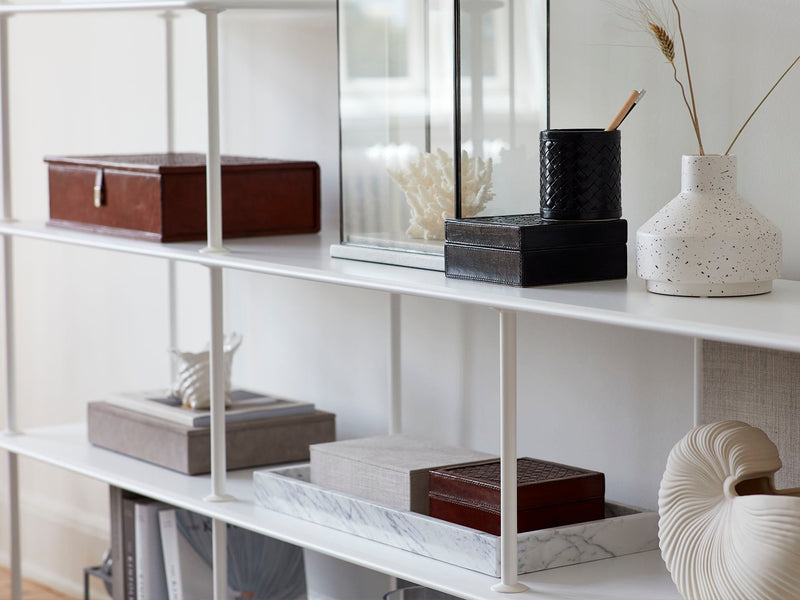
- Practical storage space: Start by setting up practical storage solutions. Invest in shelves, drawers, or stylish storage boxes to organize work materials, books, and documents. Every item should have a designated place so you can find it quickly and don't have to search unnecessarily for office supplies. Folders and file binders are particularly helpful for managing your documents.
- Daily tidying routine: To maintain order in the long term, a daily tidying routine is recommended. Plan a few minutes at the end of the workday to clear your workspace and put everything back in its place. Cups, dishes, and other everyday items should be cleared away immediately so that no clutter accumulates.
- Clear organization: Regardless of whether you prefer a digital or paper-based way of working, it is important to create a clear folder structure to manage documents efficiently. Organize your documents by category, project, or date, for example in several document boxes. You should also regularly sort out files or paper stacks that are no longer needed to keep an overview.
- Go paperless: If possible, reduce paperwork. Digitize documents and use electronic notes to minimize piles of paper and keep your workspace tidy.
- Cable management: Use cable ties or cable ducts to neatly bundle cables and wires under your desk. This prevents cable clutter and ensures a clean and safe working environment.
With these simple steps, you can create a structured and pleasant work environment that boosts your productivity and minimizes stress caused by clutter.

Designing a modern home office
The possibility of working from home is attractive to many – especially because it can make a stressful week easier. However, this way of working requires a practical and comfortable workspace.
When setting up a modern home office, several aspects are important: design, functionality, and technical equipment.
1. Choose the right room
First, find a suitable room. If a separate room is not available, a quiet corner in the house can serve as a workspace. Make sure the area receives sufficient daylight and is somewhat separated from the rest of the house to create a quiet working environment. Ideally, place the desk near a window to make the most of the natural light. Light curtains or blinds can regulate the light intake and prevent glare on the screen. Supplement natural light with a desk lamp or a floor lamp to ensure your workspace is optimally lit at all times and your eyes are not strained.
2. Ergonomics and modern design
Invest in a desk with clean lines and adjustable height as well as an ergonomic chair that supports good posture and enables comfortable work. If you would like extra comfort, you can place a genuine sheepskin or a sheepskin seat cushion on the chair to ensure warmth and well-being. An adjustable keyboard and mouse pad also help to promote a comfortable working position.

3. Organization and cleanliness
Organization is the be-all and end-all in any office, as a tidy workplace increases both productivity and general well-being. Use a well-thought-out organizational system to keep work materials and documents clearly arranged. Remember to incorporate shelves and storage boxes for sufficient storage space. Effective cable organization is also important to ensure a tidy and functional desk.
4. Adding personal touches
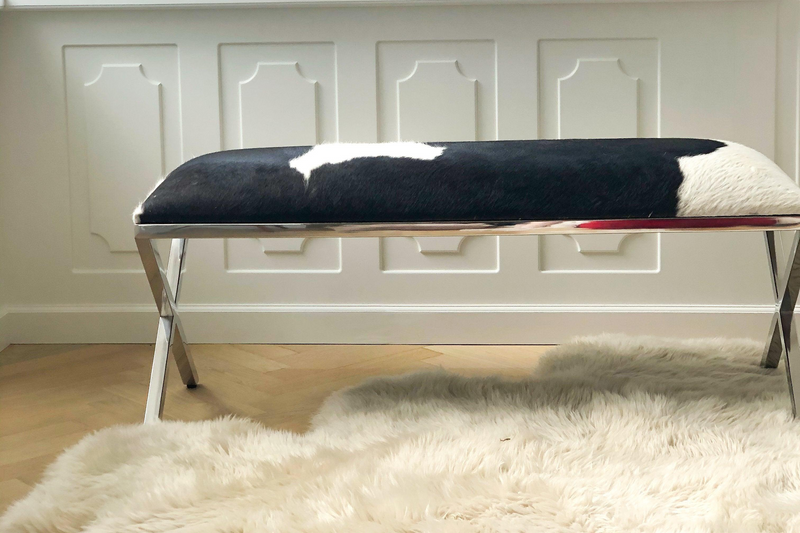
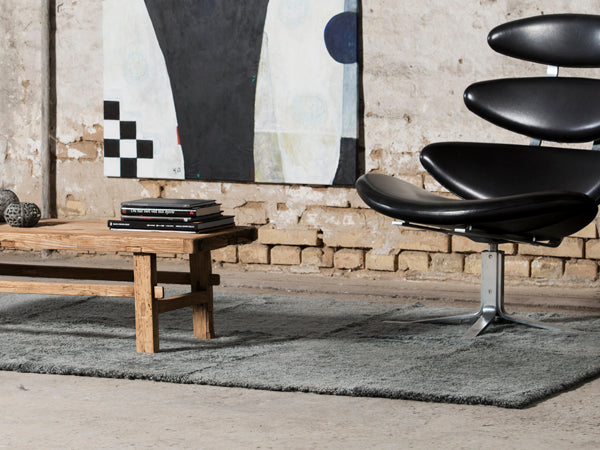
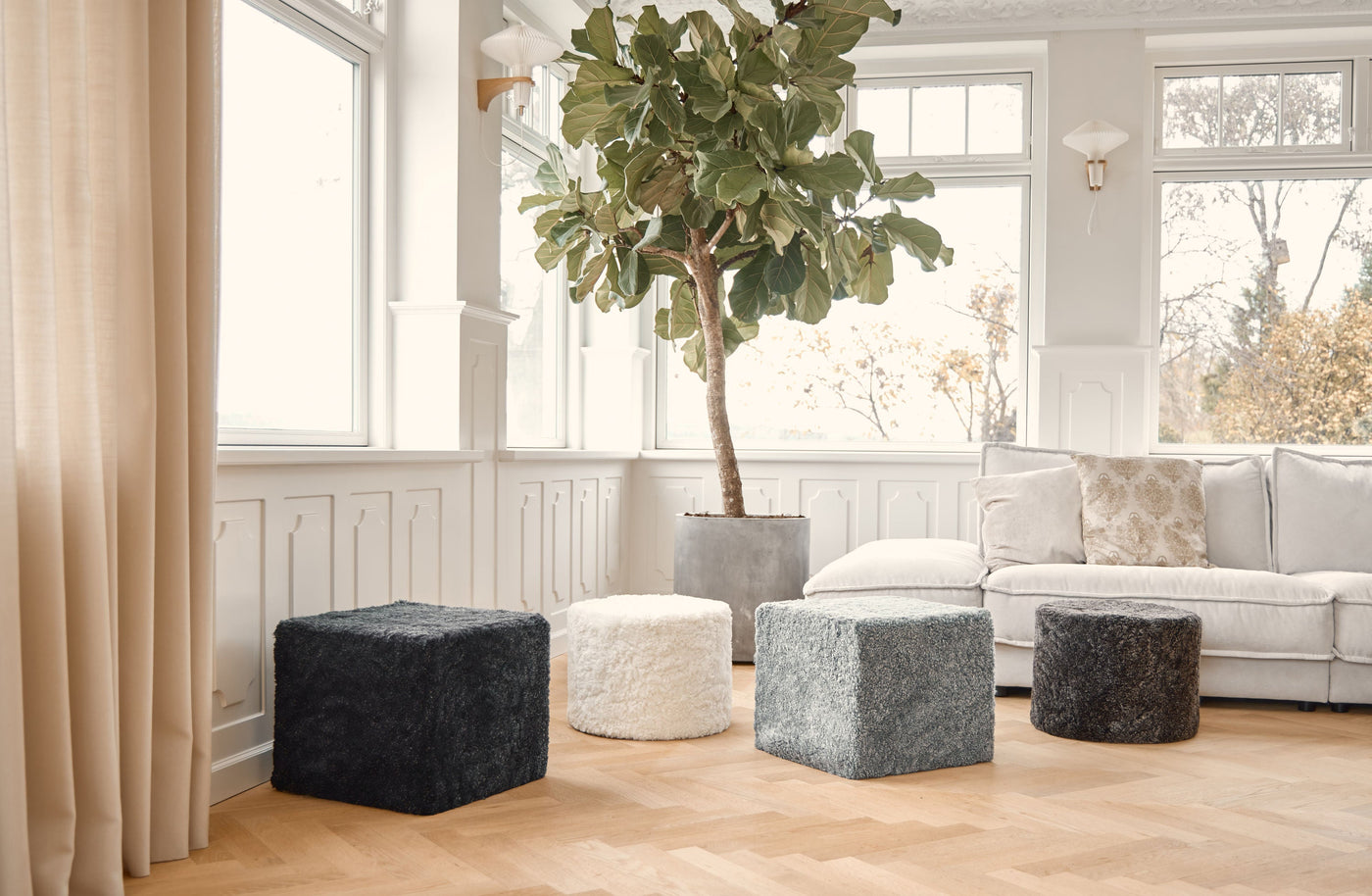
The home office should not only be functional but also a place where you feel comfortable - it is, after all, part of your home. Give the room personality and style by incorporating works of art or personal items that create a positive and calming atmosphere. A genuine cowhide on the floor brings warmth and naturalness to the interior. Plants can not only improve air quality but also reduce stress and promote concentration. Place one or two plants in your office to improve the room climate and create a pleasant working environment.
By considering these tips, you can design a modern, functional home office that is both aesthetically pleasing and conducive to productivity.